The website
Sizes, prices and the number on every screen, with a page for each can size and each town.
Cans sitting in the yard earn nothing. We build the sites, run the ads and the search work for dumpster rental companies, and every call is tracked back to the page or the ad that produced it.
Nobody shops a dumpster for a month. They have a pile in the driveway or a job starting Monday, they find somebody who answers, and they book. The work is being that somebody.
On the Trash Dash account, 50 of 57 tracked leads were phone calls rather than forms. A site built around a quote form is built for the wrong customer.
Inventory only pays when it is out. Marketing has to fill the gaps in the schedule, not just the busy weeks that fill themselves.
A homeowner cleaning out a garage rents once and asks about size, price and the driveway. A contractor rents every week and wants it on site by seven. They need different pages and different ads.
A rental across the county costs more in fuel and time than one three streets from the last drop. Advertising should stack bookings by ZIP code, not scatter them.
On Trash Dash, 43 of 57 leads arrived direct: somebody saw a can on a street or got a referral and typed the name. The site's job is to not lose them.
None of this is fixed by more traffic. It is fixed by a site that gets people to the phone, ads aimed at the towns your trucks already run, and tracking that counts every call, which is the rest of this page.
Each piece of our dumpster rental marketing answers one of the problems above. Nothing here is bought because it is on every agency's list, and the example beside it is the real thing rather than a description of it.
Sizes, prices and the number on every screen, with a page for each can size and each town.
The ad sits above every other result and you are charged when somebody contacts you, not when they look.
Dumpster rental near me and a 20 yard roll off for a job site are different buyers with different budgets. Each gets its own campaign and landing page.
A page per town and per can size ranks in the map pack where your routes are densest.
Drop offs, pickups and job sites filmed by our crew keep the name in front of contractors who rent every week.
Repeat callers are counted once, so the number you see is the number of people, not the number of rings.
No results are claimed on this section. Every figure on this page sits in the proof below, with the window it came from attached to it.
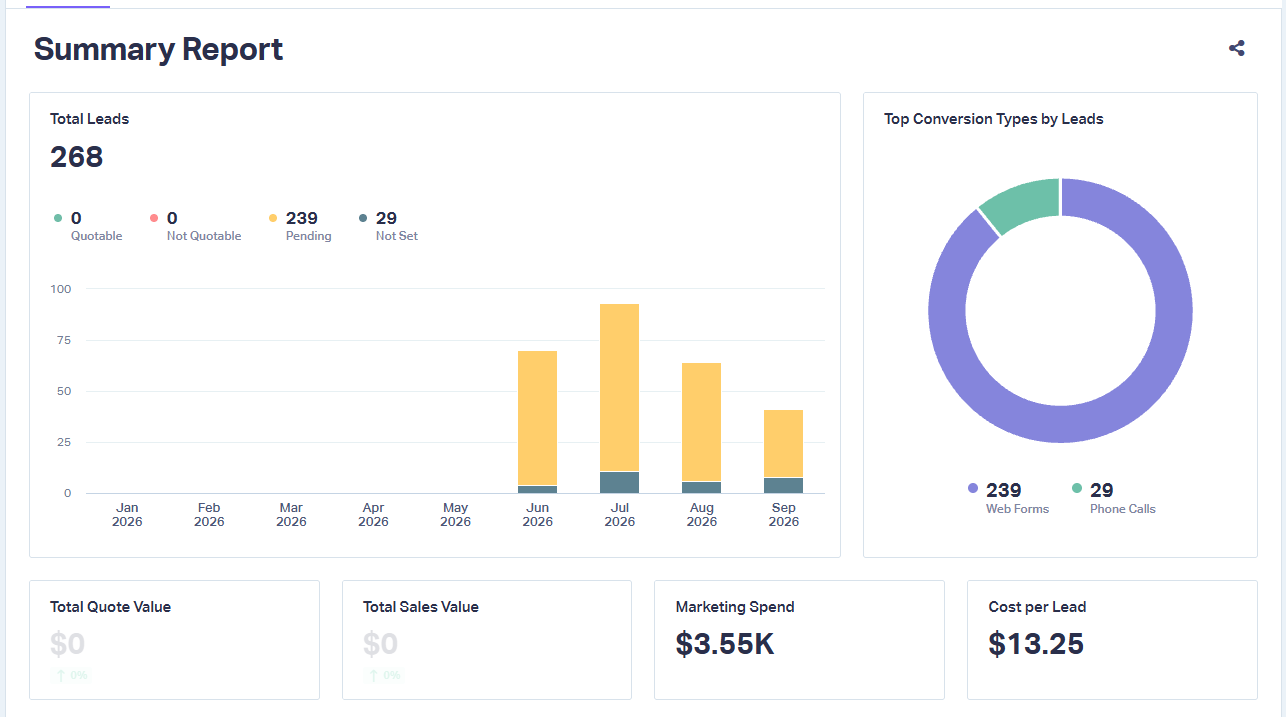
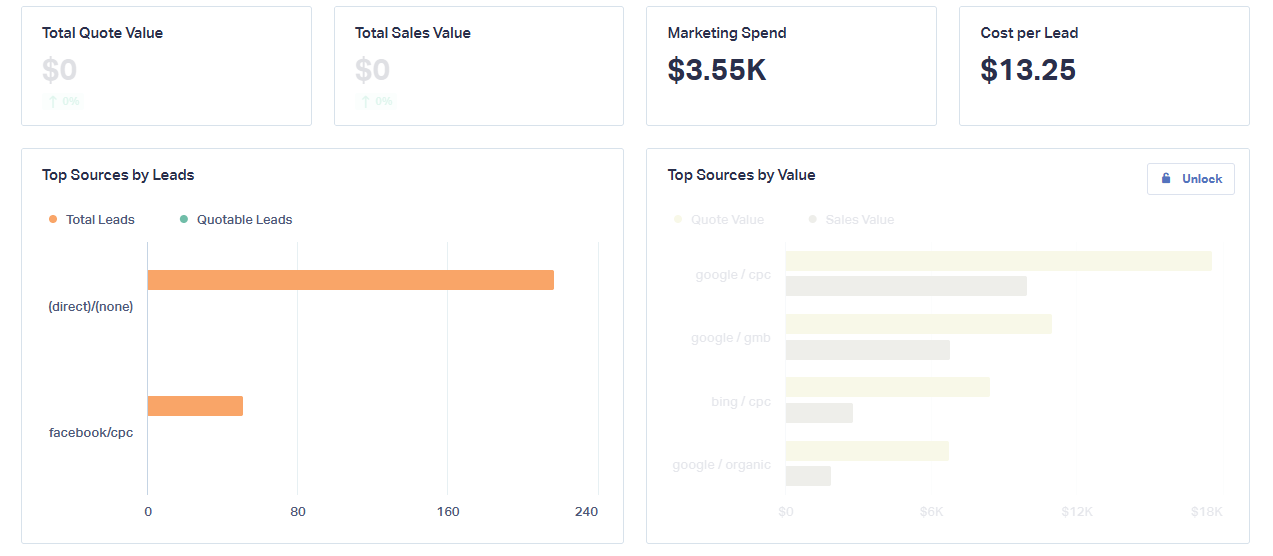
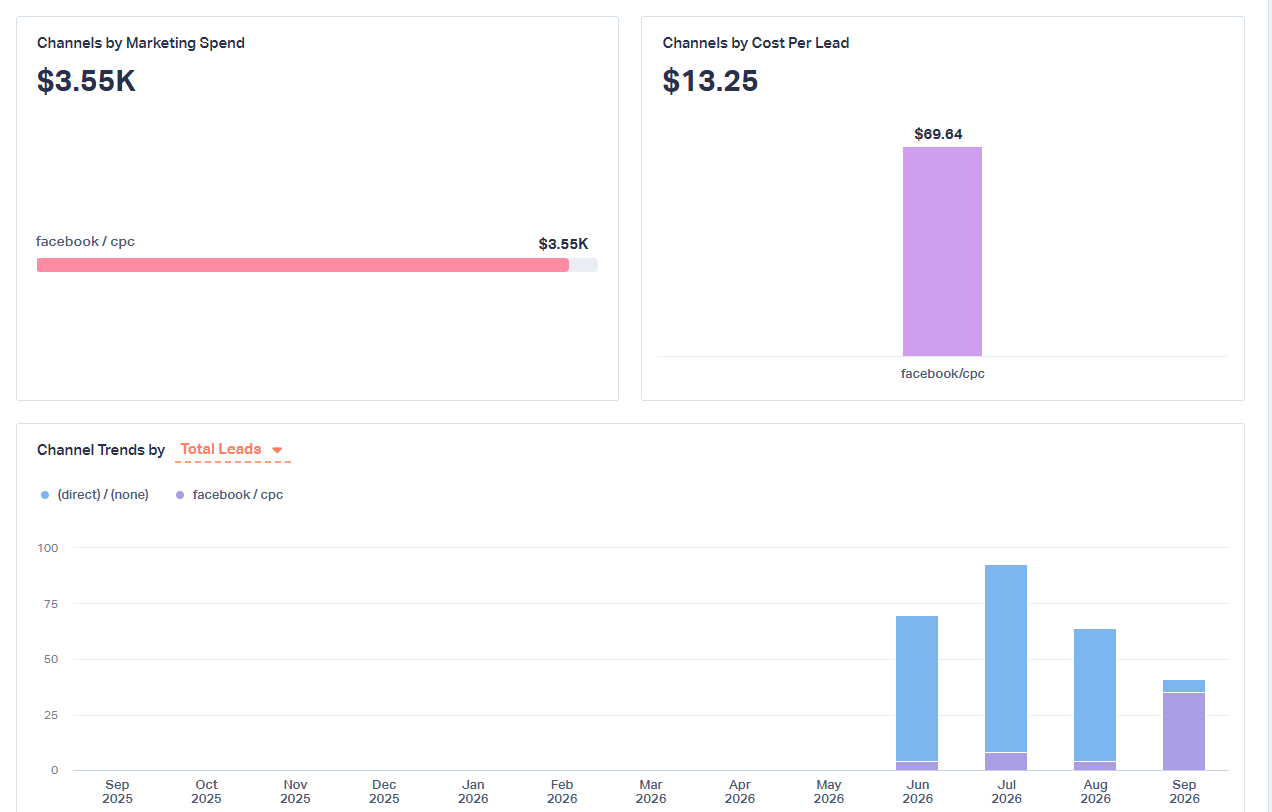
This is a dumpster rental account, not a generic one. There is no ad spend on it, so there is no cost per lead, and where a lead count appears the number of different people appears next to it.
Twenty four of the 57 were somebody ringing back, so the honest count of prospects is 33 and that is the figure we lead with. There is no cost per lead either, because there is no ad spend on this account to divide.
Trash Dash figures are from WhatConverts, June to September 2026. A lead is a tracked call or form. Nothing here claims jobs booked, revenue or return on spend.
In dumpster rental the phone is very nearly the whole thing. On Trash Dash, 50 of 57 leads were calls and 24 of the 57 were somebody ringing back. Count rings instead of people and the report nearly doubles; count forms instead of calls and it nearly disappears.
A trade that lives on the phone cannot be measured in form fills. Every call is tracked, recorded and counted the same way a form is.
Somebody ringing back is not a new lead. That is why our counts often come in smaller than the ones you have been shown, and why they survive being checked.
You see which channel earned each one rather than taking our word for the split, which is also how we decide where the next dollar goes.
You can open it without us, at any hour, and it does not disappear if we ever stop working together.
A lead is a tracked call or a form submission. Customer names and phone numbers are removed from anything shown publicly, and the figures on this page belong to the accounts named beside them.
When we run more than one dumpster company in a region, each one gets its own towns and they never compete for the same local searches.
Twenty minutes, and you will know whether your towns are open before you decide anything.
If we already run one where your trucks go, we tell you on the first call and name the towns it covers, rather than after you sign.
Answered here rather than in the first ten minutes of a call, so the call can be about your market instead.
On one dumpster account we publish, leads cost $11.61 each in June 2026, the only month with spend loaded. On Trash Dash there is no figure at all, because almost every lead came without a paid click. Your market will be different, and we would rather show you its numbers than quote an average.
Both, separately. Homeowners rent once and need reassurance about size, price and the driveway. Contractors rent every week and need speed and reliability. One page written for both converts neither.
Yes. We built Trash Dash and Pro Dumpster Rentals among others, and on Trash Dash the site is where nearly every lead started.
Yes. Ads, city pages and Local Services Ads are all set to the ZIP codes your trucks already run, so bookings stack instead of scattering.
Local Services Ads and Google Ads can ring the phone in the first week or two. SEO and city pages take months.
Sometimes in the same region, never fighting for the same towns. We tell you up front who we already run nearby.
Yes. All of it is in your name and stays with you if we ever stop working together.
Ninety days to start, then month to month. No setup fee hiding behind the monthly figure.
Twenty minutes on a call, and you will know what your market costs, whether it is already taken, and what the first ninety days would actually look like.
Book a callTell us what you sell and which towns you drive to. We will tell you what we would do first, and whether it is worth doing at all.